

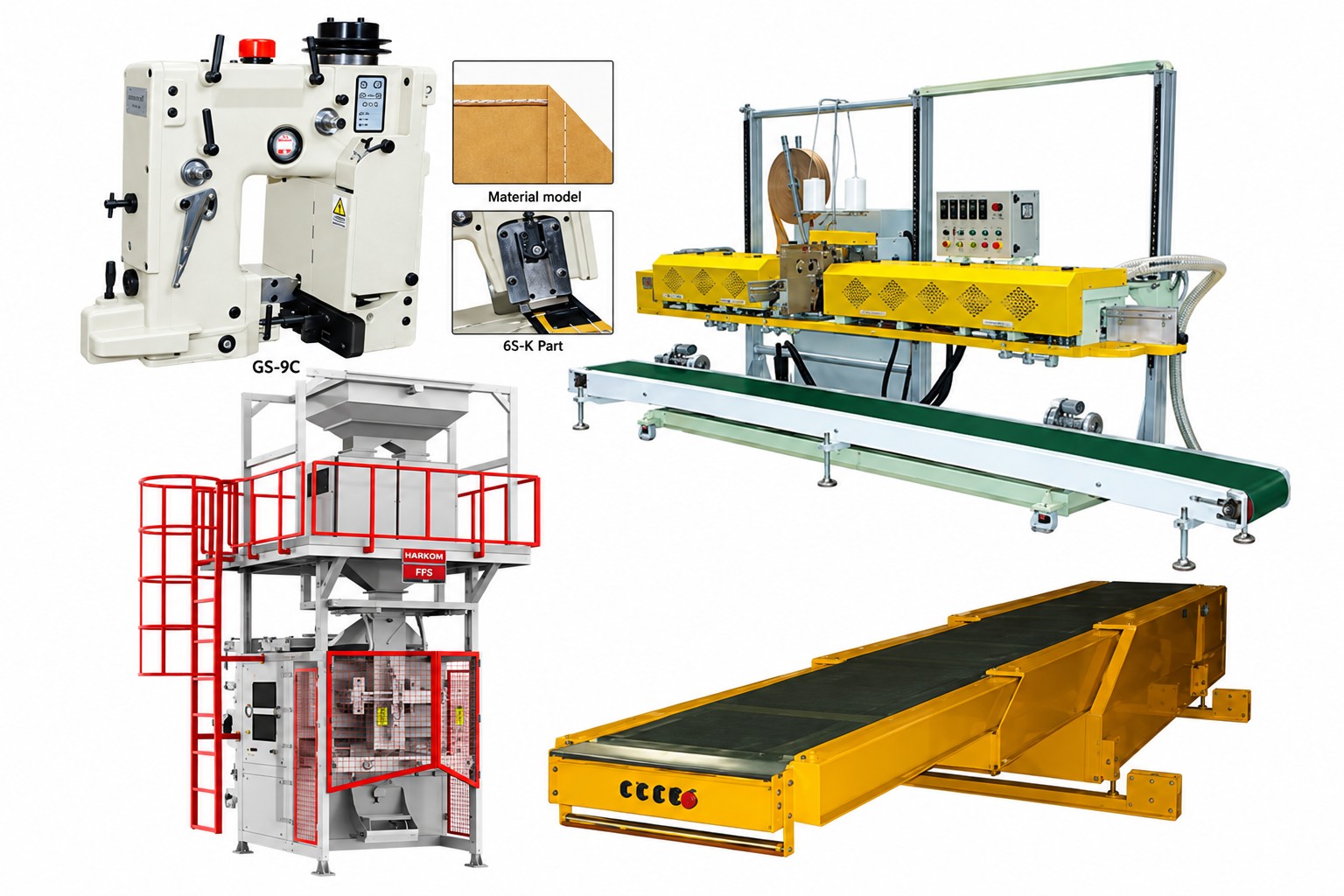
Overall Equipment Effectiveness (OEE) is the gold standard metric for measuring manufacturing productivity. In high-speed packaging lines, even brief 30-second micro-stops can degrade overall daily throughput by 15% or more.
1. Sizing Dynamic Accumulation Buffers Between Machines
When upstream fillers stop briefly for roll changes or downstream cappers clear a minor sensor fault, lack of dynamic buffer accumulation forces the entire line to halt. Properly engineered bi-directional accumulation tables isolate machine cycles.
- Maintain a minimum 2 to 3-minute dynamic buffer between primary filler and secondary packaging
- Use low-friction acetal slat chains to prevent container scuffing and pressure building
- Implement variable frequency drive speed cascade controls to gently ramp line speeds
2. Tool-Less Rapid Size Changeovers (SMED Principles)
Format changeovers that require wrenches and manual trial-and-error adjustments represent the largest controllable source of downtime. Modern packaging machines must incorporate quick-release guide rails and calibrated digital position indicators.
Summary & Engineering Outlook
By systematically analyzing minor stoppages, optimizing conveyor accumulation buffer dynamics, and implementing servo-assisted recipe changeovers, packaging plants can routinely elevate line OEE from the low 60s into the 85%+ world-class bracket.
More from the Journal
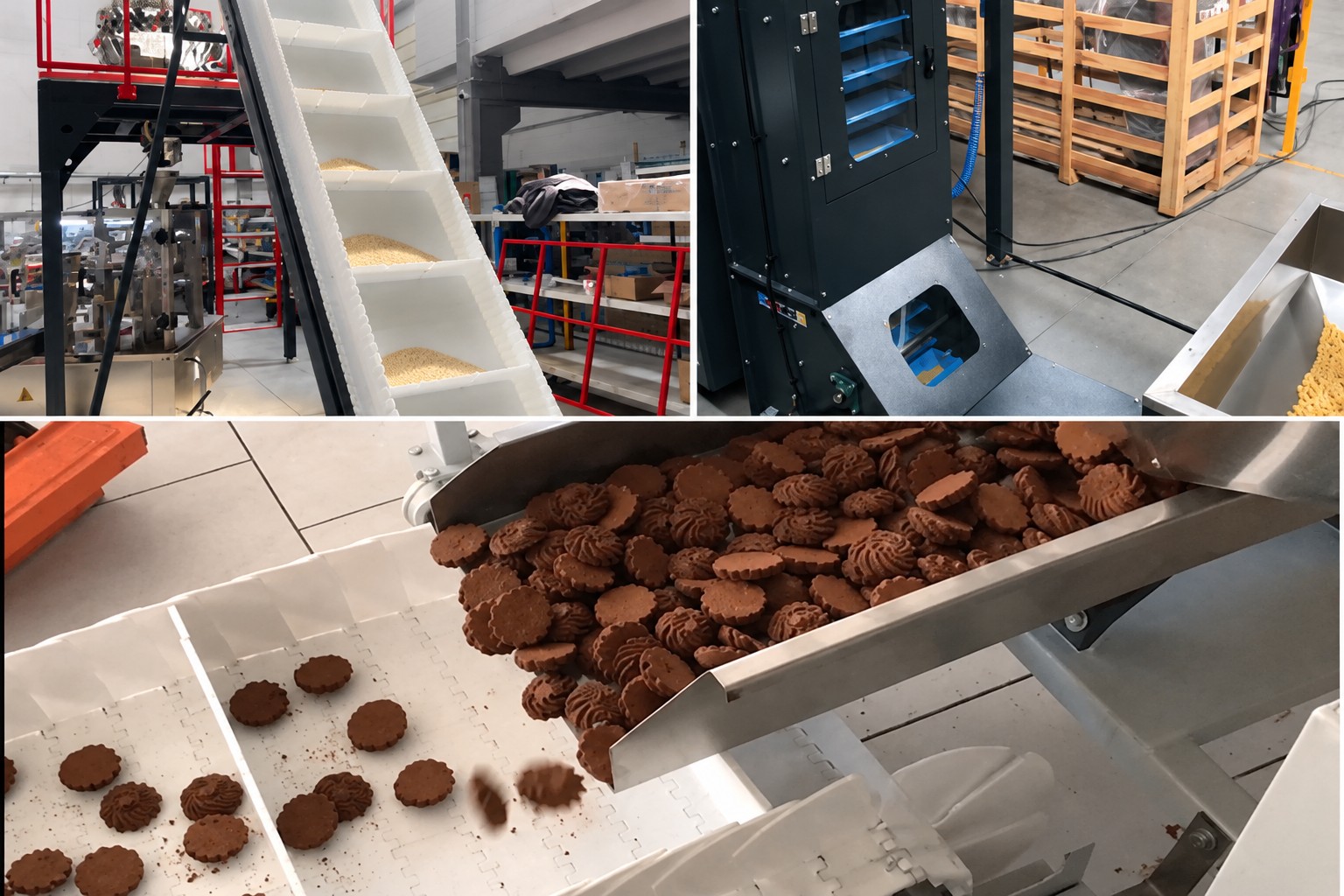
Sanitary Conveyor Design: Best Practices for FDA and 3-A Compliance
Key mechanical design criteria for food and pharma washdown conveyors including crevice-free welding, standoff brackets, and CIP drainage.
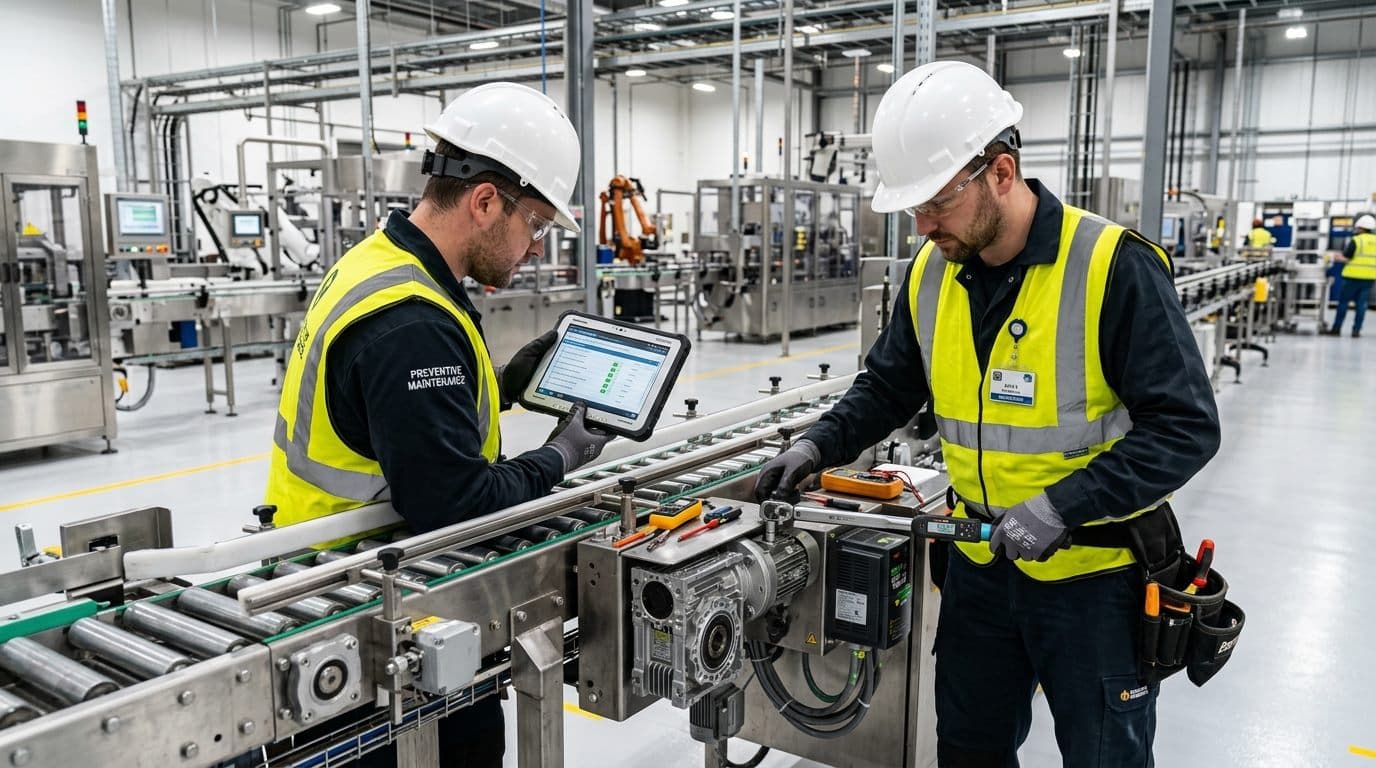
Preventative Maintenance Guide for Industrial Belt Conveyors
Step-by-step maintenance checklist covering laser tracking alignment, motor thermal imaging, and bearing lubrication schedules.